
The Gum Disease Treatment
Gum disease is a common yet serious condition that affects the gums and supporting structures of the teeth. Early diagnosis and timely treatment are essential to prevent long-term damage.
Diagnosis involves a thorough examination by your dentist. This includes checking for swollen or bleeding gums, measuring the depth of gum pockets, and taking X-rays to assess any bone loss around the teeth.
Once diagnosed, treatment depends on the severity of the disease:
In the early stage (gingivitis): A professional dental cleaning and improved oral hygiene can reverse the condition.
For more advanced gum disease (periodontitis): Deep cleaning procedures like scaling and root planing are performed to remove plaque and bacteria from below the gumline.
In severe cases: Surgical treatments or regenerative procedures may be needed to restore gum and bone health.
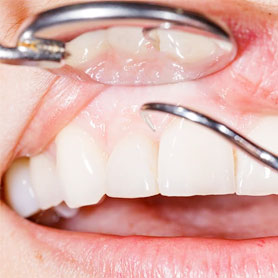
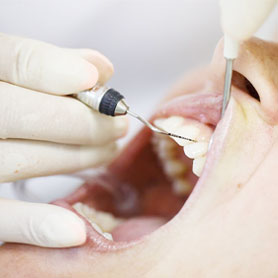
We diagnose and repair any problem
Gum disease, also known as periodontal disease, is a common infection of the tissues that support your teeth. It begins with plaque buildup along the gumline and can progress from gingivitis (mild inflammation) to periodontitis (serious damage to the gums and bone).
Symptoms may include red, swollen, or bleeding gums, bad breath, gum recession, and loose teeth. Without timely treatment, gum disease can lead to tooth loss and affect your overall health.
At our clinic, we offer early diagnosis and advanced treatments to stop the progression of gum disease and restore your oral health.
Gum disease, or periodontal disease, is an infection of the gums caused by plaque and bacteria buildup. It can range from mild gum inflammation (gingivitis) to more severe conditions that damage the soft tissue and bone supporting your teeth.
Poor oral hygiene is the primary cause. Other contributing factors include smoking, diabetes, hormonal changes, certain medications, genetics, and stress.
Red, swollen, or bleeding gums
Bad breath
Receding gums
Loose or sensitive teeth
Pain while chewing
Yes, early-stage gum disease (gingivitis) is reversible with professional dental cleaning and good oral hygiene. However, advanced gum disease (periodontitis) requires ongoing treatment to manage and prevent further damage.
Treatment may include:
Professional cleaning (scaling and root planing)
Antibiotic therapy
Laser gum therapy
Surgery in severe cases
Regular maintenance and improved oral care are essential to prevent recurrence.
Yes. Research links gum disease to systemic health issues like heart disease, diabetes, respiratory conditions, and complications during pregnancy.
Brush and floss daily
Visit your dentist regularly
Avoid smoking
Eat a balanced diet
Manage conditions like diabetes
It’s recommended to visit at least twice a year. If you have a history of gum disease, more frequent visits may be necessary.